


Editor’s note: The following (lightly edited) feature article is the sixth installment of a new “How I Became Obsessed With Padel” series we’re rolling out from regular guest contributor, Scott Matulis, a former PR Director for the Worldwide Senior Tennis Tour who discovered padel in Vegas two years ago and can now hit balls off of the glass occasionally. He is the author of the LinkedIn and Substack serial novel The Applicant.
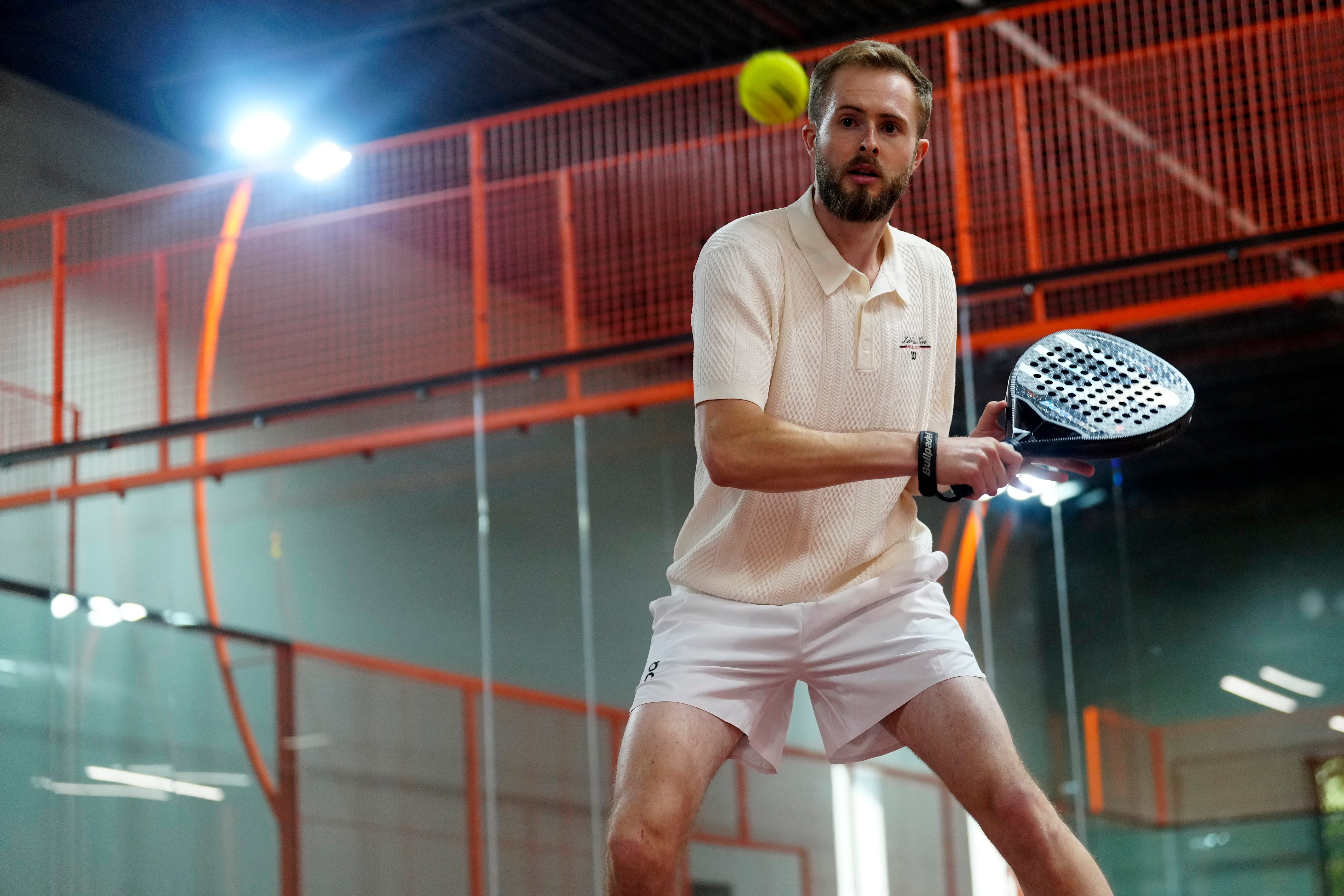
I feel a kinship with Will Persson. We’re both racquet sports guys who spent a lot of time working in communications and tech. We’re both obsessed with padel.
Originally from the Northeast and now based in Miami, Will was nationally ranked in tennis, platform tennis, pickleball, and padel in 2023. (Meanwhile, I tore a muscle in my left calf after playing squash three times.)
He’s now the Head of Community and Communications for the Pro Padel League (PPL), which just held its second event of the 2026 season in Los Angeles the weekend before last.
I asked him how he became obsessed with padel and how he turned it into the next step in his career. Here’s what he told me…
How did you start playing padel — and when did you decide, “I’m making a career of this?”
I had already spent most of my life around racquet sports. I played college tennis, and afterward I kept competing in national tournaments across tennis, platform tennis, and pickleball, so I was probably predisposed to become obsessed with padel, too.
I started seeing the sport everywhere on Instagram, but there were still very few places to play in New York or New Jersey. My first real experience was on a pop-up court at a tennis tournament in the Hamptons, and I immediately wanted to play again.
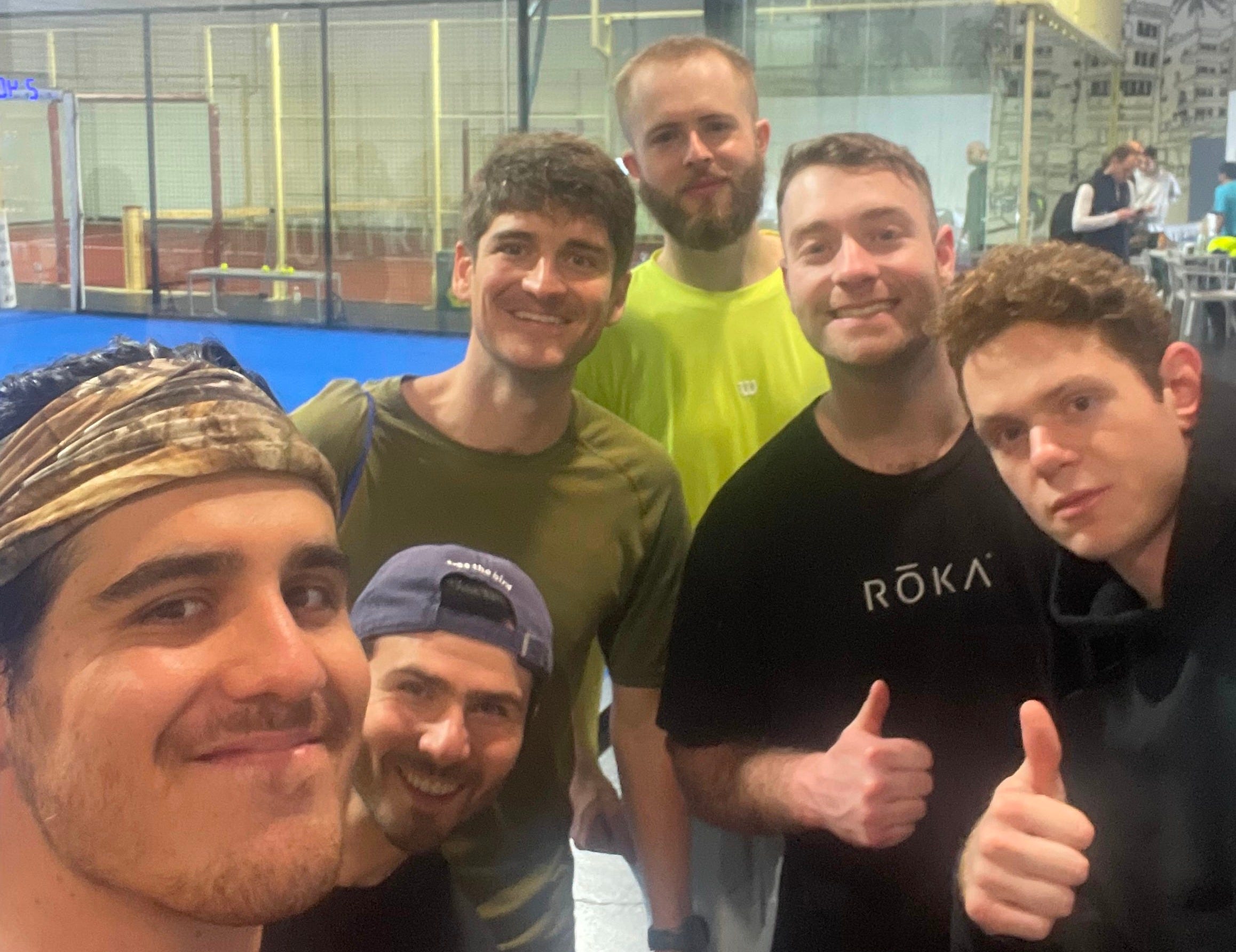
A few months later, I entered a tournament and, despite barely having played, I ended up making the final, which probably accelerated the obsession. Not long afterward, I went to Miami for my bachelor party. We played on the first day, and then somehow ended up playing every day of the trip.
When I came back to New York, I never really stopped. I started writing about padel — first through a blog and then through longer research papers and playbooks —because I wanted to understand where the sport was heading and how the different parts of the industry fit together.
That work introduced me to players, founders, and people building padel communities across the country. In the summer of 2025, I started working part time with the National Padel League, supporting its first two seasons.
Then, a few months ago, I had the opportunity to join the PPL full-time and lead community and communications.
That was really the point where the two sides of my life came together: the professional craft I had built in communications and the sport I had become obsessed with.
What else can you tell me about padel at your bachelor party?
We played at Ultra on the first day, and somehow a quintessential Miami bachelor party turned into a padel trip. We ended up playing every day.
What really stuck with me was that everyone loved it. Some of my friends were serious tennis players, while others barely had a racquet-sports background, but they could all get on the same court and have fun together.
That was one of the first times I realized how uniquely social and accessible padel can be –- and how quickly it can bring people together.
What do you think makes padel so accessible, especially compared to tennis?
You can have fun playing padel almost immediately, and I think that’s pretty unique. Tennis has a much steeper learning curve — you can spend a long time just learning how to serve or sustain a rally.
With padel, the ball stays in play longer and you spend more time doing the part of racquet sports that people actually love: hitting the ball back and forth. That makes it easier for new players to feel involved in the game from the beginning.

For you, what was the hardest part of transitioning from tennis to padel?
The hardest adjustment was shortening my backswing, especially when defending off the glass. I understood where I was supposed to be and what shot I needed to play, but years of tennis had ingrained this bigger swing that simply doesn’t work when the glass is right behind you.
The other big adjustment was the overhead. Early on, you can hit a tennis-style overhead and think, ‘This is great – I’m really good at this.’ Then you start playing better padel players and you realize that unless you’re actually finishing the point, you may just be giving them a better ball back.
I had to get burned enough times to learn to slow the game down and stop trying to win every point by hitting the ball as hard as I could.
At what point did your interest in padel start turning into something professional?
I think it happened pretty gradually. I was spending more and more of my free time playing, writing about the sport, trying to understand where the industry was going and building relationships with people across it, and over time padel became much more than something I just did outside of work.
When the opportunity came to join PPL full time, it felt like a very natural next step. What made PPL especially exciting to me was that it was operating across so many different parts of the sport at once.
You have some of the best players in the world competing in major markets and really distinctive venues like the Hammerstein Ballroom in New York City and the Barker Hangar in Los Angeles, but you also have national broadcasts on CNBC, PPL II creating another pathway for players, and activations with clubs and communities to introduce more people to the sport.
That combination really appealed to me because it felt like an opportunity to be involved in not just the professional product, but in helping connect a lot of the different pieces that are driving padel’s growth.
Where do you play now — and how often do you play?
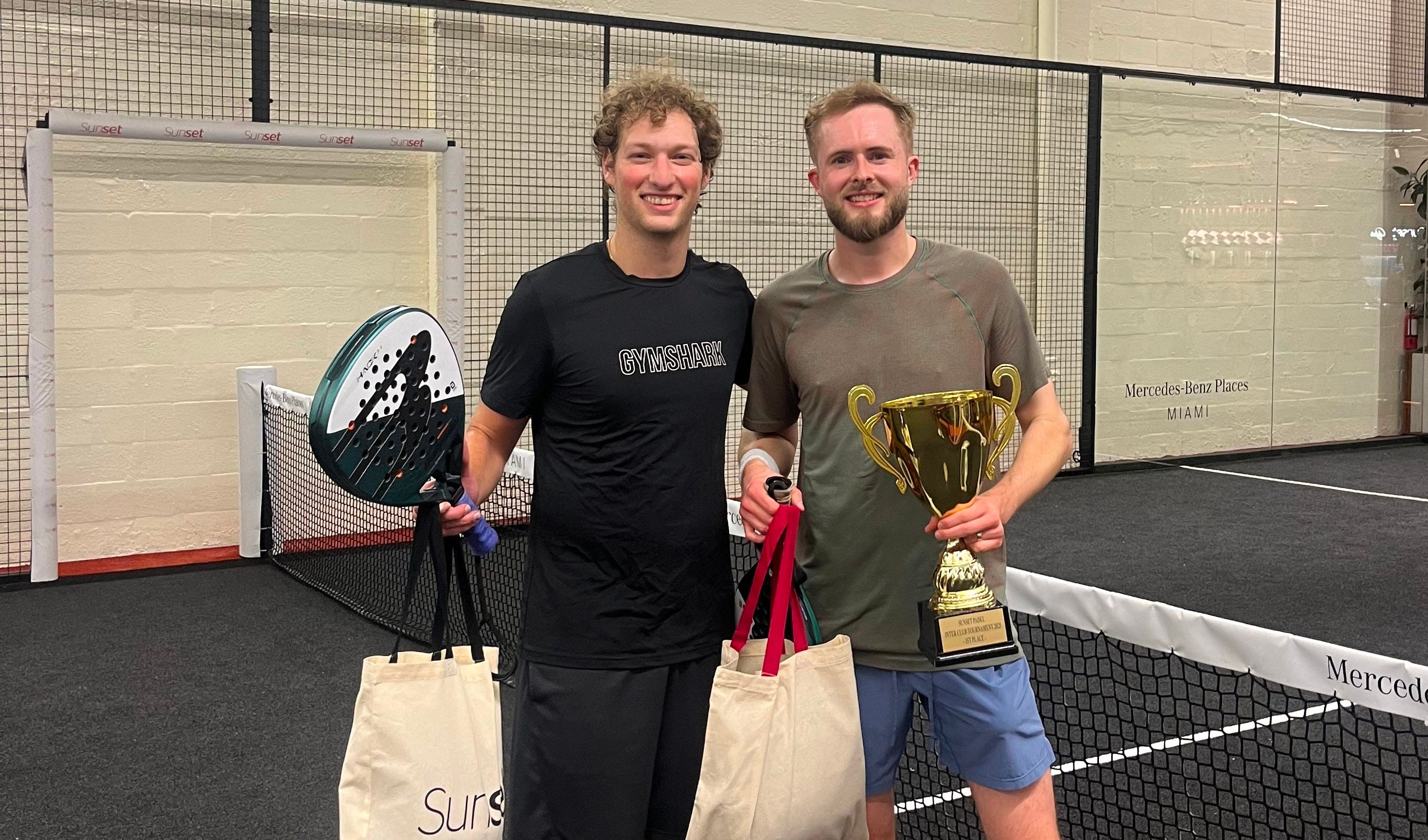
I’m playing about three times a week now. I live in Miami, but I travel a lot, so I end up playing at different clubs and with a pretty wide mix of people wherever I am.
I also play a lot of USA Padel tournaments, which has been a great way to meet other people who are serious about the sport and keep pushing my own level. A lot of the people I play with now are people I’ve met through those tournaments, but I also have a big network of players from tennis, platform tennis, and pickleball who have gotten into padel over the past few years for a lot of the same reasons I did.
That crossover has been one of the coolest parts for me. Padel has brought together people from all of these different racquet-sports communities who otherwise might not have ended up playing together.
If you enjoyed this article, please be sure to subscribe to Padel Nation (for free!) to get exciting updates and important insights on the rapidly emerging U.S. padel scene like this one delivered directly to your inbox 2X weekly — or share it with a padel-playing friend.
Finally, as always, a big thank you to the friends and preferred partners of Padel Nation who help make posts like this possible, including:


Interested in becoming a friend or preferred partner of Padel Nation? Drop us a line here and let’s talk!
Oh, and one other thing… my brand-new 352-page padel book was just released last month. So, if you enjoy the work I’m doing in the U.S. padel space, you can support me by ordering a copy (or two!) online at Amazon or Barnes & Noble.
Or if you’re a club owner and you’d want to carry a handful of copies in your pro shop for “padel curious” people who are interested in trying the sport out but don’t know quite where to start, let me know and I can connect you with my publisher’s wholesale department.
Many thanks in advance!
Finally found my padel peeps on SS! Subbed.