



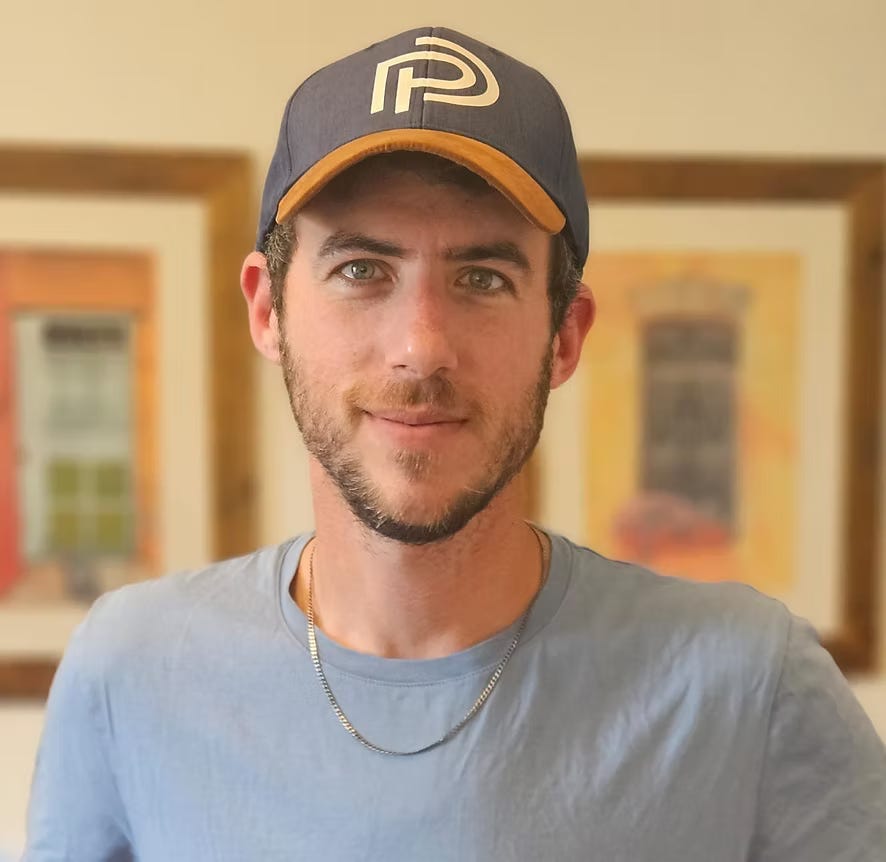
Editor’s note: The following post is from guest author, Pablo Arcuschin, founder and CEO of Pacific Padel, a venture focused on bringing Seattle its first dedicated padel facility and growing the sport across the Pacific Northwest.
A certified padel coach and seasoned entrepreneur with roots in Argentina, Pablo is one of the leading voices driving padel's expansion in the region. You can follow his work on LinkedIn or learn more at the Pacific Padel website.
I’ve visited padel facilities across Spain, Argentina, Israel, the U.K., the U.S., and Canada. Some had stunning cold plunges. Premium lighting. Beautiful lobbies. And empty courts by 7pm.
Others had nothing fancy. Basic amenities, average everything. But full courts, waiting lists, and players who wouldn’t dream of going anywhere else. The difference?
The humans running the show were actually on the courts.
Here’s what I mean:
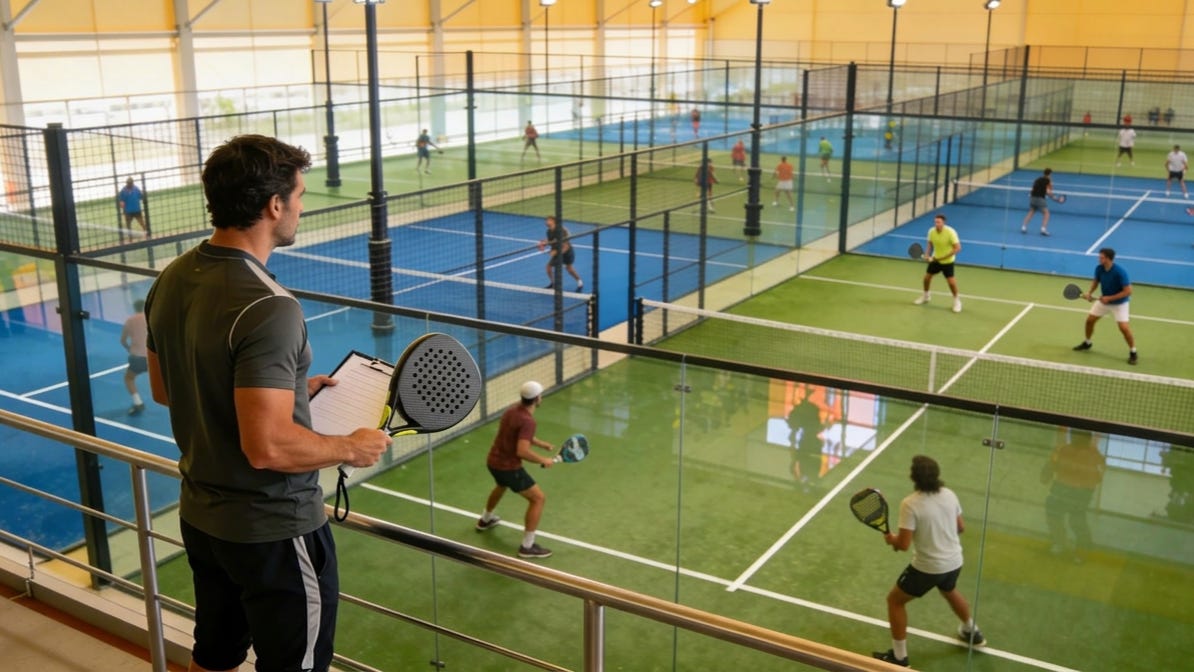
The manager who knows every regular by name. The coach who spots a player struggling with their backhand and stops to offer one tip, unprompted, uncharged. The sports director who watches the 8am session not to supervise, but because they genuinely care what’s happening on the court.
That’s not a management strategy. That’s a culture.
Culture is what retains players. Not the locker rooms.
I see operators invest months planning their facility: the layout, the surface, the tech, the food and beverage offer. All important. But ask them: when did you last spend an hour just watching your players? Not checking bookings. Not reviewing revenue reports. Just watching. Noticing. Being present.
The best insights about your club don’t come from a spreadsheet. They come from seeing the group of four who always rebooks and understanding why they keep coming back.
They come from noticing the new player who came twice and hasn’t heard a word about coaching. So you walk up, introduce yourself, and invite them to a free session. That one moment can turn a casual visitor into a loyal member.
They come from the head of sport who pulls you aside and says: “That group on court 3 is ready for a league. We should create one.”
The sports team is your best intelligence network
If they’re only responsible for teaching technique and filling court time, you’re underusing them.
The best operators I’ve worked with treat their coaches and sports directors as community builders. They organize tournaments, yes. But they’re also responsible for the social atmosphere of the club, making sure every player, at every level, feels cared for and connected.
They know who’s improving, who’s frustrated, who’s about to churn, and who might bring five friends if you just asked. That only happens when operators and sports teams are aligned, and when both are genuinely present on the courts, not just behind a desk.
Presence is the competitive advantage
The facility that wins long-term isn’t the most beautiful one.
It’s the one where players feel seen.
Agree? Disagree? Have anything to add? If so, please feel free to chime in in the comments below and let us know!
Also please be sure to subscribe to Padel Nation to get exciting updates and important insights on the rapidly emerging U.S. padel scene delivered directly to your inbox — or share it with a padel-playing friend.
Finally, as always, a big thank you to the friends and preferred partners of Padel Nation who help make posts like this possible, including:


Interested in becoming a friend or preferred partner of Padel Nation? Drop me a line here and let’s talk!
Oh, and one other thing… I’ve actually got a full-blown padel book coming out in July. So, if you enjoy the work I’m doing in the U.S. padel space, you can support me by pre-ordering a copy (or two!) online at Amazon or Barnes & Noble. Many thanks in advance!
Well said, Pablo. I agree.
Estamos hablando el mismo idioma, Pablo!